Open Hearts, with Secure Borders
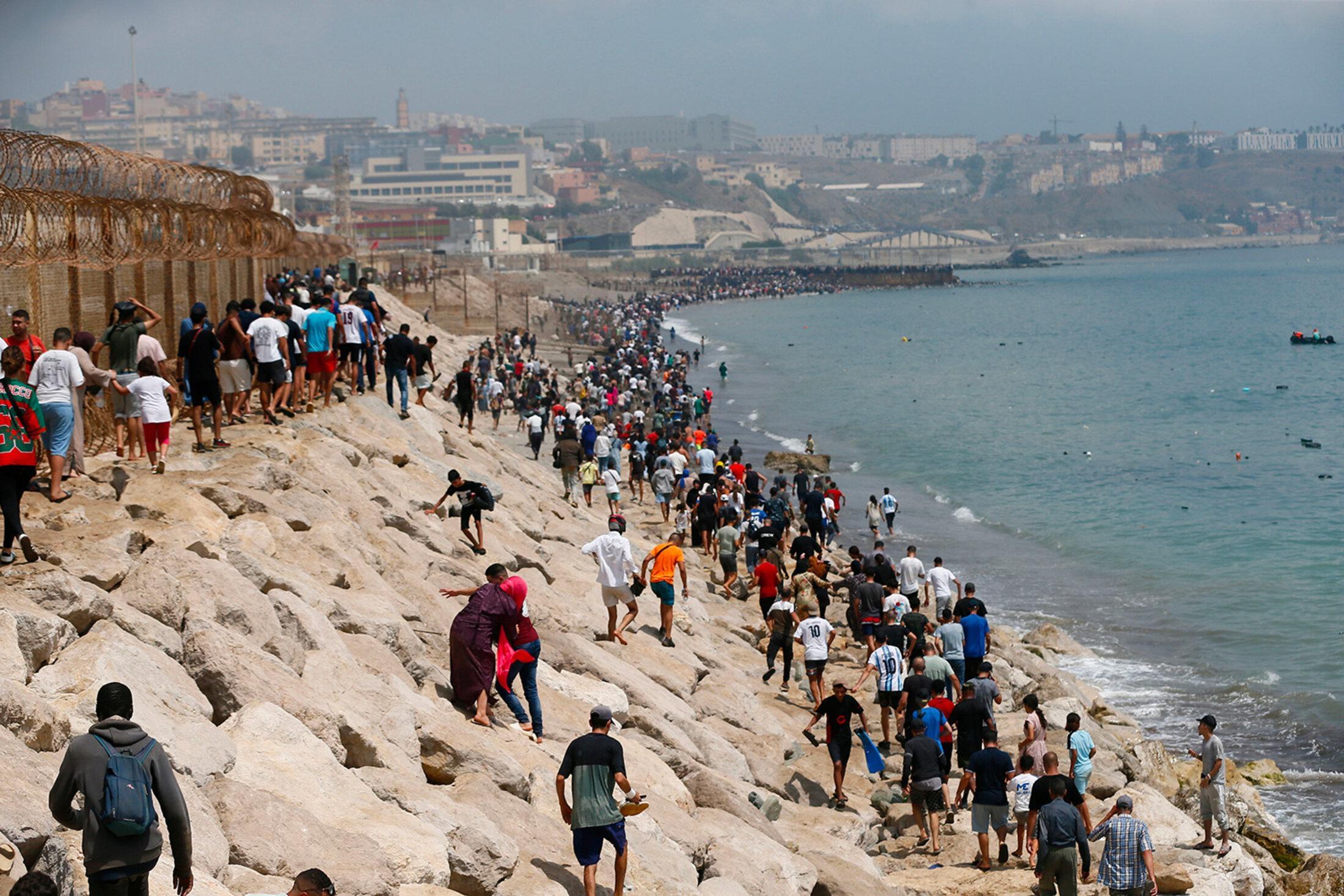
The European Union has convened an emergency meeting following a sharp rise in migrants crossing into the Spanish enclave of Ceuta from Morocco. The dangerous crossings have overwhelmed local resources, claimed lives and once again brought Europe’s migration policies under intense scrutiny. Behind every statistic is a human life. Many migrants are fleeing conflict, persecution, poverty, political instability or a lack of opportunity in search of a better future. At the same time, governments have a legitimate responsibility to protect their borders, maintain public order and ensure the safety of their citizens. A further dimension of the debate concerns the demographic profile of many making these crossings. Commentators, particularly from the political right, ask why a significant proportion are young men, often between the ages of 18 and 30, and why many originate from predominantly Muslim countries. They also question whether current levels of irregular migration are socially, economically and politically sustainable. These are legitimate questions that deserve careful examination. However, while some argue that migration forms part of a wider strategy to destabilise Europe, there is currently no conclusive evidence to support such a claim. The available evidence points instead to a complex combination of conflict, economic hardship, weak governance, climate pressures and organised people-smuggling networks. As Christians, we are called to hold compassion and responsibility together. Jesus said, “I was a stranger and you invited me in” (Matthew 25:35), while Paul reminds us that governing authorities are appointed by God to uphold justice and maintain order (Romans 13:1–4). Neither compassion without wisdom nor security without mercy reflects the full counsel of Scripture. Former UN Secretary-General Kofi Annan observed, “Migration is an expression of the human aspiration for dignity, safety and a better future.” The challenge facing Europe is not simply whether migration should occur, but how it can be managed lawfully, humanely and sustainably. Christians should resist simplistic answers, seek truth over rhetoric, and pray that leaders exercise both wisdom and compassion as they address one of the defining issues of our generation.