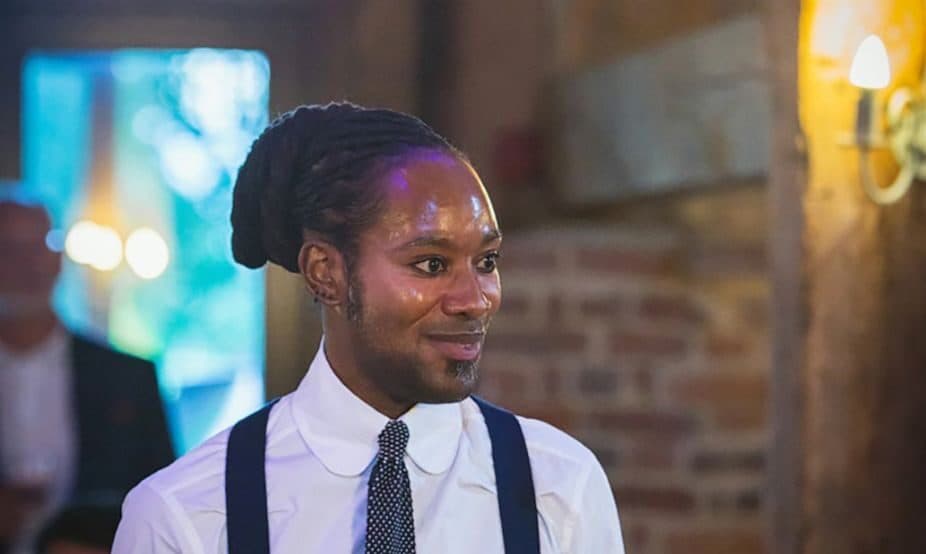
Jason Arday: When Accountability Becomes Public Destruction
On 14 August 2026, Professor Jason Arday was found dead at his home in Battersea, South London, aged 41. The Metropolitan Police called the death unexpected but not suspicious, so speculation about its cause is unwarranted. What deserves scrutiny instead is what happened to him in the weeks before.
Arday faced serious allegations of plagiarism and inaccuracies in his academic and personal record, legitimate matters warranting examination. But the coverage reportedly expanded well beyond his scholarship into his credibility, intelligence, and personal history. His family described a “campaign of harassment” and “sustained abuse.” Racist emails reportedly forced his correspondence to be screened after he joined Cambridge.
This raises an uncomfortable question: would a white academic facing similar allegations have received the same intensity and duration of scrutiny? That question deserves empirical answers, not just emotional ones, comparing coverage volume, tone, and how far criticism strayed from scholarship into identity.
Arday was a partner, father, son, brother, colleague, and friend, not merely a controversy.
For Christians, this raises a further challenge. Jesus taught: “Do to others as you would have them do to you.” (Luke 6:31) Paul instructed: “If someone is caught in a sin, you who live by the Spirit should restore that person gently.” (Galatians 6:1)
Restoration doesn’t mean ignoring failure; grace doesn’t mean abandoning standards. But accountability should never require annihilating someone’s humanity.
The issue of accountability is not ignored, but neither is justice or restoration as a means to move forward. Instead, a witch hunt (which many see it as being so), asks only how completely a reputation can be destroyed.
No one should be blamed, without evidence, for his death. However, everyone who participated in this discourse might reasonably ask: was it proportionate? Did criticism of his work become condemnation of the man?
The real question isn’t only what Arday did (as this is not completely clear). It’s what we become when someone else falls.